
Why the Numbers Change Once an Inspector Opens the Panel
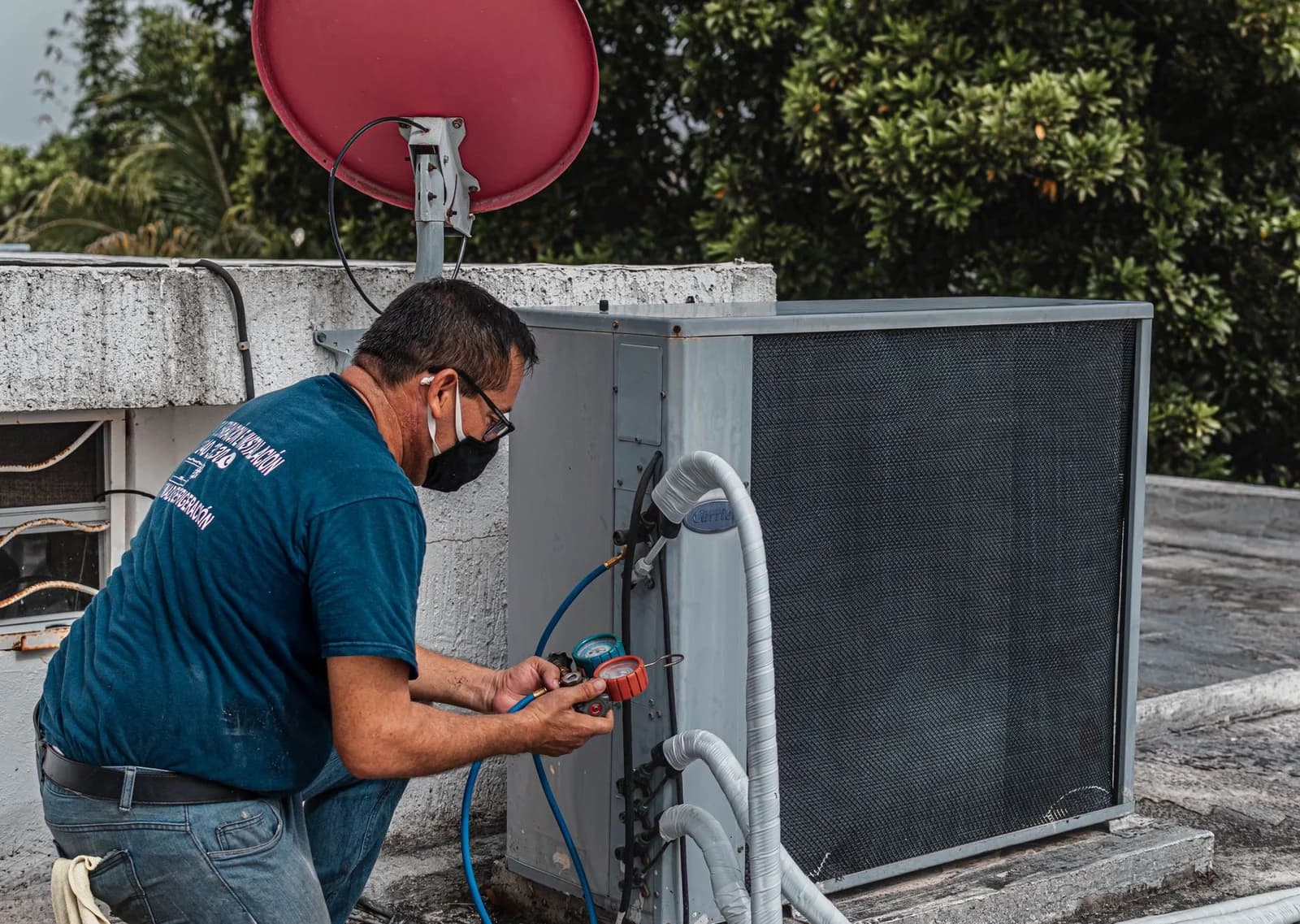
A home listing rarely mentions the AC system beyond a single line: central air, or none. That single line hides a lot of financial variance. A twelve-year-old condenser running on a slow refrigerant leak and a two-year-old system with a clean bill of health both qualify as "has AC," yet the first one is a liability sitting quietly on the balance sheet of the sale and the second is close to a neutral item. The only way to tell which one you are buying, or selling, is to have someone open the panel and measure rather than guess.
We get called into escrow situations across Santa Monica, Venice, and West LA often enough to know the pattern: nobody budgets for HVAC surprises, because nobody expects them. Roofs get inspected because everyone has heard a roof story. Foundations get inspected because everyone has heard a foundation story. AC systems get a passing glance, largely because they hum along quietly right up until the week they do not, and that timing gap is exactly why an inspection changes the financial picture before anyone signs anything.
What the Inspection Is Actually Pricing
Remaining Service Life
Every system has a practical lifespan, and a technician can estimate where a given unit sits on that curve by checking the model and serial data against manufacturer records, listening to compressor behavior on startup, and reading how hard the system is working relative to its rated capacity. A system near the end of that curve is not necessarily broken, but its remaining value to a buyer is genuinely lower than a mid-life system, and that difference belongs in the price, not in a surprise six months after move-in.
Refrigerant Type and What It Costs to Service
Systems still running on R-22 carry a different cost profile than systems on current refrigerant, since production of R-22 for the domestic market has been phased out. A minor leak on a current-refrigerant system is usually a straightforward repair. The same leak on an older R-22 unit can turn into a full replacement conversation, because sourcing refrigerant for a phased-out type gets more expensive as supply tightens. Knowing which category a system falls into before an offer goes in changes how a buyer should think about the purchase price.
Deferred Maintenance That Has Not Announced Itself Yet
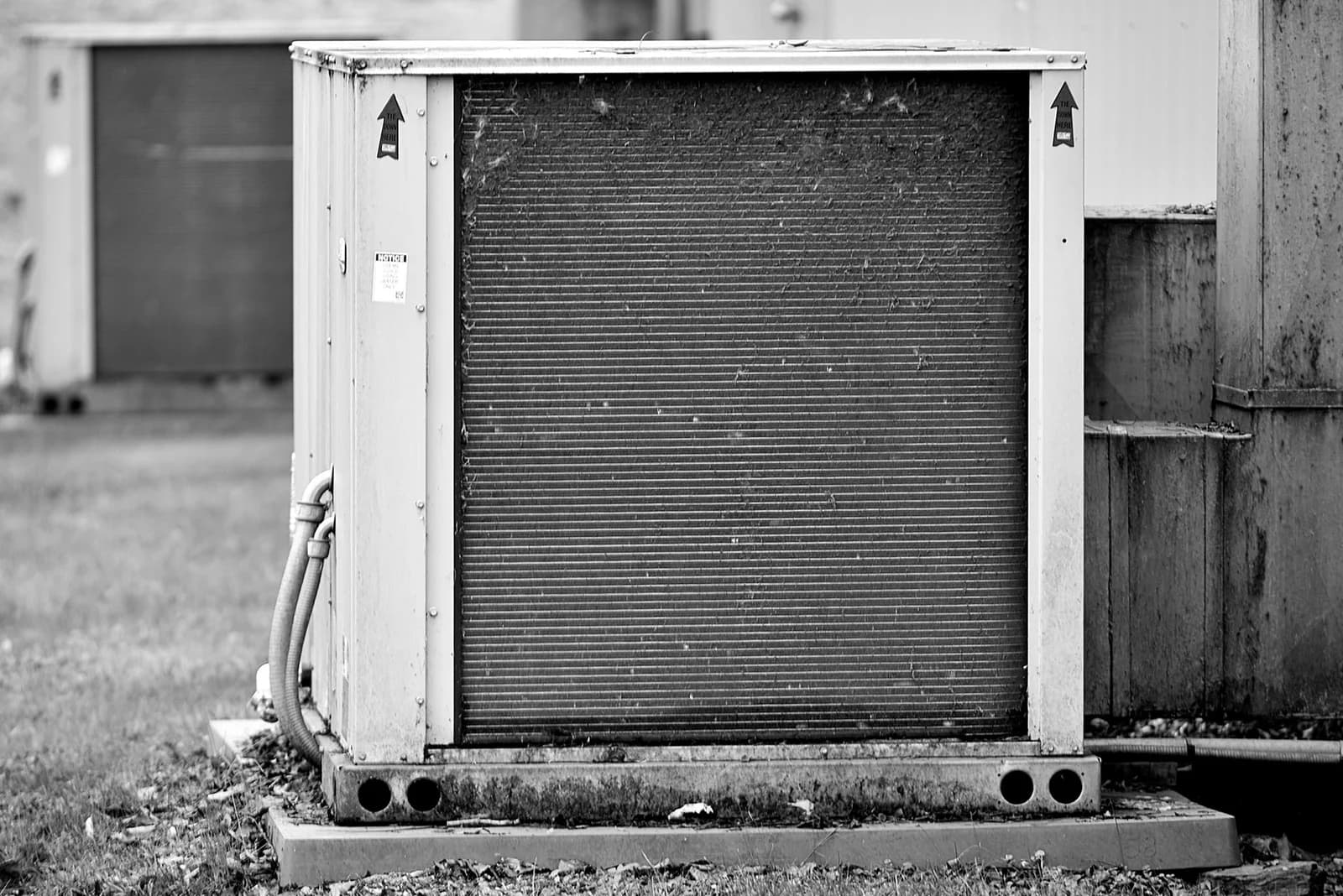
A dirty coil, a slightly undercharged system, a condensate line that drains slowly but has not backed up, none of these stop a system from cooling a house on an open house afternoon. All of them shorten the runway before a real repair bill shows up, and all of them are things a buyer would rather know about before closing than three months into ownership.
Why Santa Monica's Housing Stock Makes This More Than a Formality
A large share of homes here, particularly the Craftsman houses north of Montana Avenue and the dingbat apartment stock closer to the beach, were built before central cooling was standard practice in coastal Southern California. Where a system exists in these homes, it is frequently a retrofit added years or decades after original construction, squeezed into an attic or a side yard rather than designed in from the start. Retrofit systems carry their own inspection questions: was the ductwork sized correctly for the space, was the electrical panel actually rated for the added load, and was a permit pulled at all.
That last question matters more than it sounds. The City of Santa Monica requires a mechanical permit for HVAC installations, including mini-splits, and homes inside a historic overlay area such as parts of Ocean Park or the Pico Neighborhood often face additional review for exterior equipment placement. An unpermitted system discovered mid-escrow does not necessarily kill a deal, but it does add a step, and buyers understandably want that step resolved, or priced into the offer, before they commit.
The Seller's Side of the Math
Listing a home with an AC system that has not been looked at in years puts a seller at a disadvantage they may not realize they have. If a buyer's inspector finds something first, the seller is negotiating from behind, often under time pressure, often for more than a straightforward repair would have cost. A capacitor that would have been a modest, quick fix in April becomes a bargaining chip in an escrow negotiation in July, and bargaining chips tend to get valued at a premium by whoever is holding them.
Getting ahead of that by scheduling an inspection before listing flips the order of operations. A seller who already knows the system's condition can either make the small fix beforehand, taking it off the table entirely, or price the home accounting for it and avoid the appearance of hiding anything. Both paths cost less than an eleventh-hour credit negotiated under deadline pressure.
The Buyer's Side of the Math
For a buyer, the inspection window during a standard contingency period is the cheapest bargaining position available in the entire transaction. Once escrow closes, any AC problem becomes entirely the new owner's to fix, on the new owner's schedule and the new owner's dime, usually with none of the negotiating room a pending sale provides. A written inspection report during contingency turns an unknown into a known, and a known can be negotiated, repaired, or credited. An unknown just becomes next year's expensive surprise.
What a Written Report Should Include
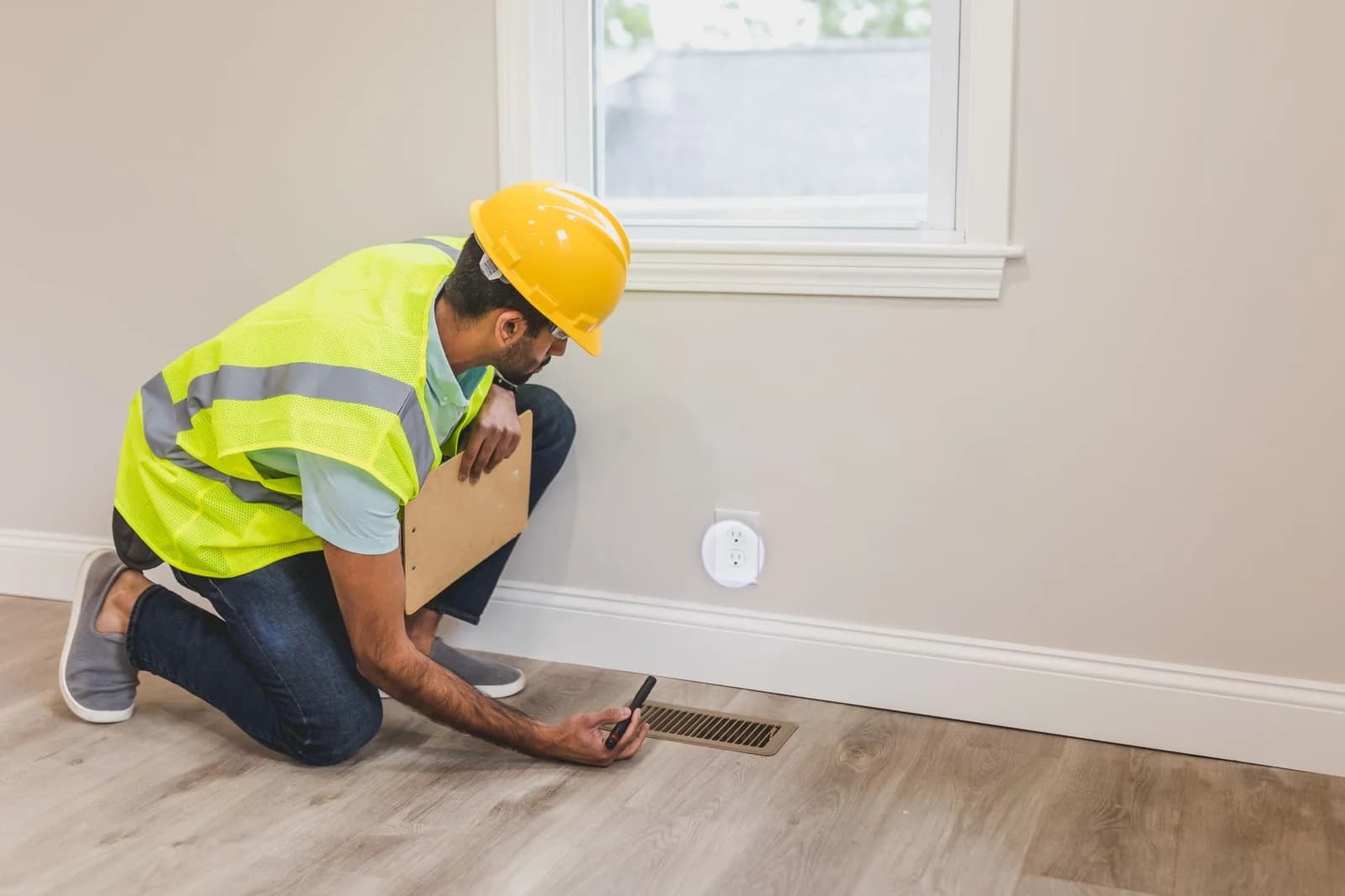
A report worth acting on breaks the system down by component: outdoor unit, indoor unit, ductwork, and electrical, with each item marked as satisfactory, needing monitoring, or needing repair. Photos help. A remaining-life estimate helps more, since "needs monitoring" means something different for a five-year-old system than it does for one already past its expected service window. We do not pad these reports with speculative work; if a component tests within normal range for its age, the report says so plainly, because inflating findings does the same financial damage to a transaction as ignoring real ones.
Condos and the Access Problem
Units along the Wilshire corridor and the Montana Avenue condo stock come with an added wrinkle: building manager coordination, elevator reservations, and sometimes HOA sign-off before a technician can even reach the equipment. None of that changes the underlying cost math, but it does mean the inspection needs to be scheduled earlier in the process than a single-family home would require, simply to leave room for the access logistics to clear before a contingency deadline arrives.
After an Earthquake, the Math Shifts Again
Ground movement strong enough to shift furniture can also shift an outdoor condenser off level, stress the line set at its wall penetration, or loosen an electrical disconnect. None of that shows up on a casual walk-through, and all of it affects what a system is actually worth. If a seismic event has occurred since the last service visit, that alone is a reason to have the system checked before it factors into a sale price either direction.
Bringing the Numbers Into the Offer
None of this is about assuming the worst. Plenty of Santa Monica systems check out clean, and a clean report is worth just as much to a transaction as a report that finds something, because it removes uncertainty from both sides of the table. The point is that "the AC works" is not financial information. A written inspection, timed correctly relative to listing or contingency, is what turns a vague reassurance into a number both sides can actually negotiate around.
Call Santa Monica AirCon Repair at (877) 409-5247 to schedule a pre-sale or pre-offer inspection anywhere in Santa Monica, Venice, Pacific Palisades, West LA, or Brentwood. Getting the system's real condition on paper before it becomes a closing-table argument tends to save both sides money, and time neither of them wanted to spend arguing.
Need Professional HVAC Service?
Our HVAC-experienced technicians are ready to help with all your AC and heating needs. Contact Santa Monica AirCon Repair today for expert service throughout the the coastal Westside service area.