Small Repairs Do Not Stay Small on Their Own
Santa Monica's marine layer does homeowners a strange favor: because the AC runs fewer days here than it would a few miles inland, a developing problem gets fewer chances to announce itself. That sounds like good news until you realize what it actually means. A system with a slow issue can coast through weeks of mild weather looking fine, then hit the first genuine heat wave of the summer already compromised, and fail exactly when everyone else's system is also under strain and every technician in the area is booked.
The five signs below are not just symptoms. Each one represents a specific point where a small, targeted repair is still available, and each one has a rough cost trajectory if it gets ignored instead. Understanding why the cost climbs is more useful than just memorizing the symptom list, because it tells you which signs to treat as urgent and which ones you can reasonably schedule around.
Sign #1: Warm or Weak Air From the Vents
Warm air almost always traces back to one of three causes: a refrigerant leak reducing the system's cooling capacity, a compressor losing its ability to pressurize refrigerant properly, or a frozen evaporator coil blocking airflow. Weak airflow with normal temperature more often points to a clogged filter, a crushed section of duct, or a blower motor losing strength.
Here is the cost logic. A refrigerant leak caught early is a targeted repair: find the leak point, repair it, recharge the system. A refrigerant leak that runs for months forces the compressor to operate outside its intended pressure range on every single cycle, and compressor wear from that kind of strain does not reverse itself once the leak finally gets fixed. The repair bill for a leak found in week one and a leak found in month six are not in the same category, even though the leak itself may be identical.
Sign #2: Ice on the Refrigerant Lines or Indoor Coil
Ice on a line or coil means airflow across the coil has dropped too low, or refrigerant charge is low enough that coil temperature falls below freezing. A dirty filter, a failing blower, blocked vents, or a slow leak can all be the underlying cause.
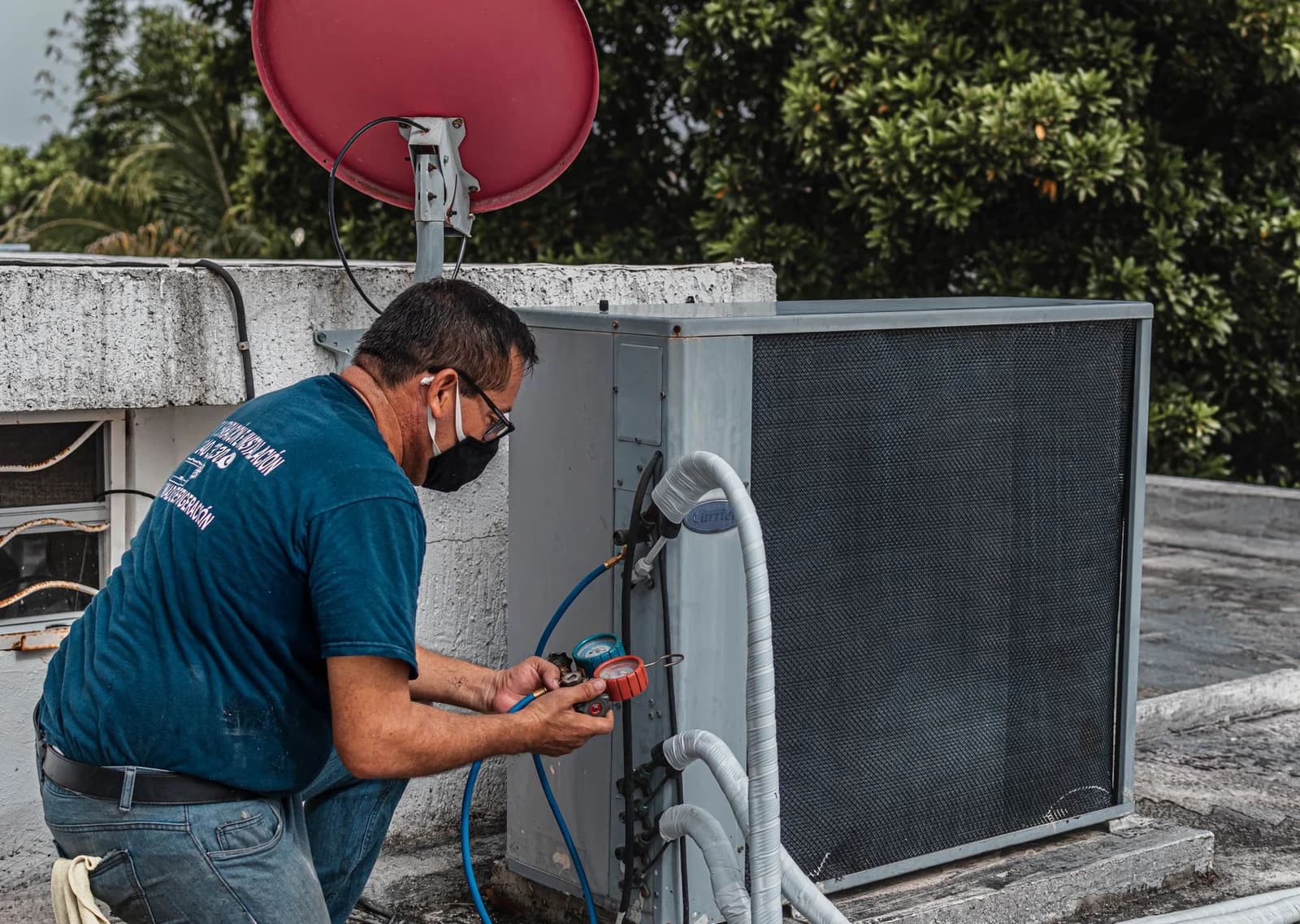
The expensive mistake here is not the ice itself, it is continuing to run the system hoping the ice melts on its own. A frozen system that keeps running can flood liquid refrigerant back into the compressor, and compressor replacement is routinely the single largest line item on an AC repair bill. Turning the system off the moment you see ice is the cheapest decision available at that point, because every additional cycle the system runs frozen adds risk to the most expensive component it has.
Sign #3: Grinding, Banging, or Hissing Sounds
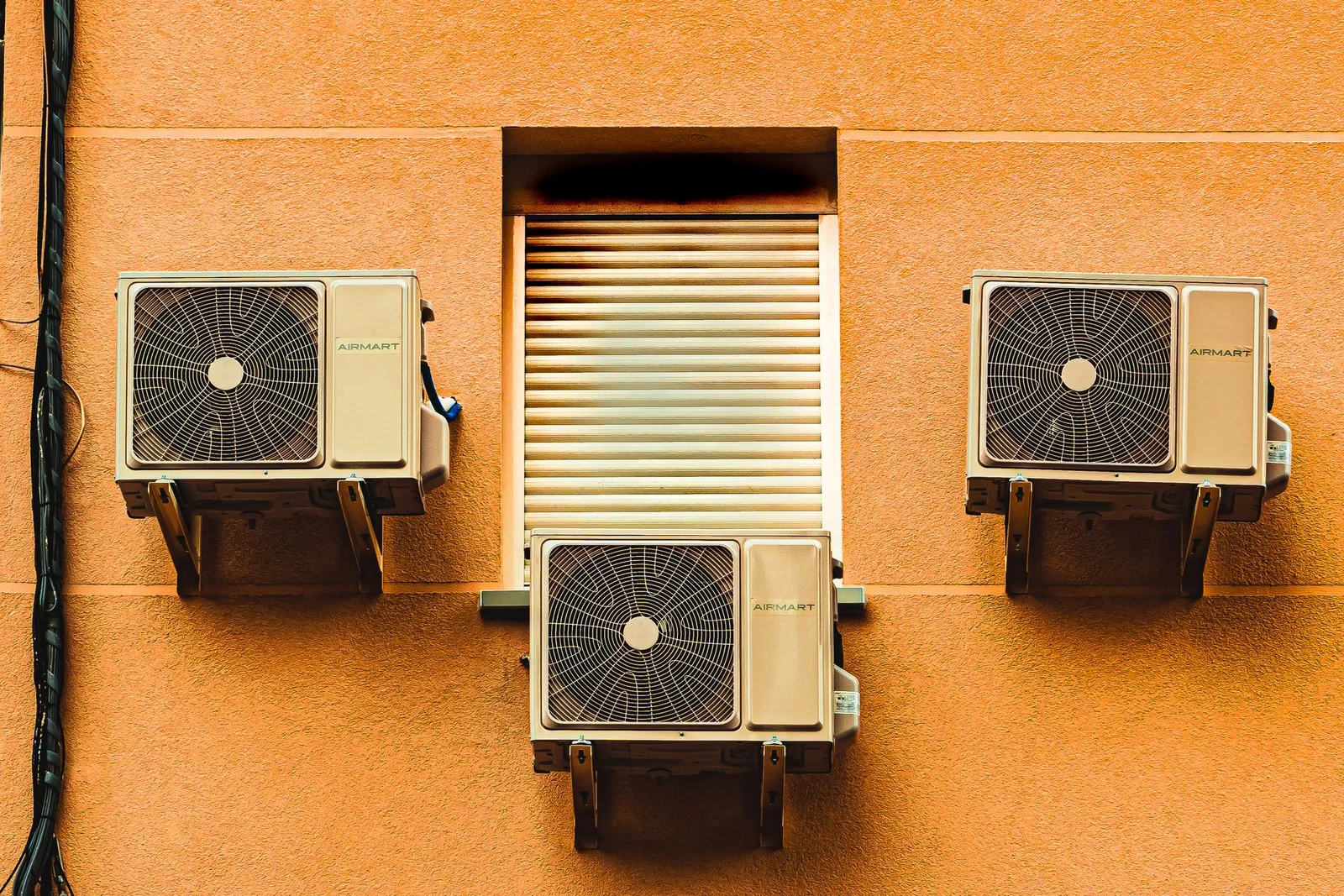
Grinding or squealing from the outdoor fan usually means a failing motor bearing. Banging points to a loose or failing compressor mount, or a compressor nearing the end of its service life on an older unit. Hissing near a coil or fitting often means refrigerant escaping under pressure.
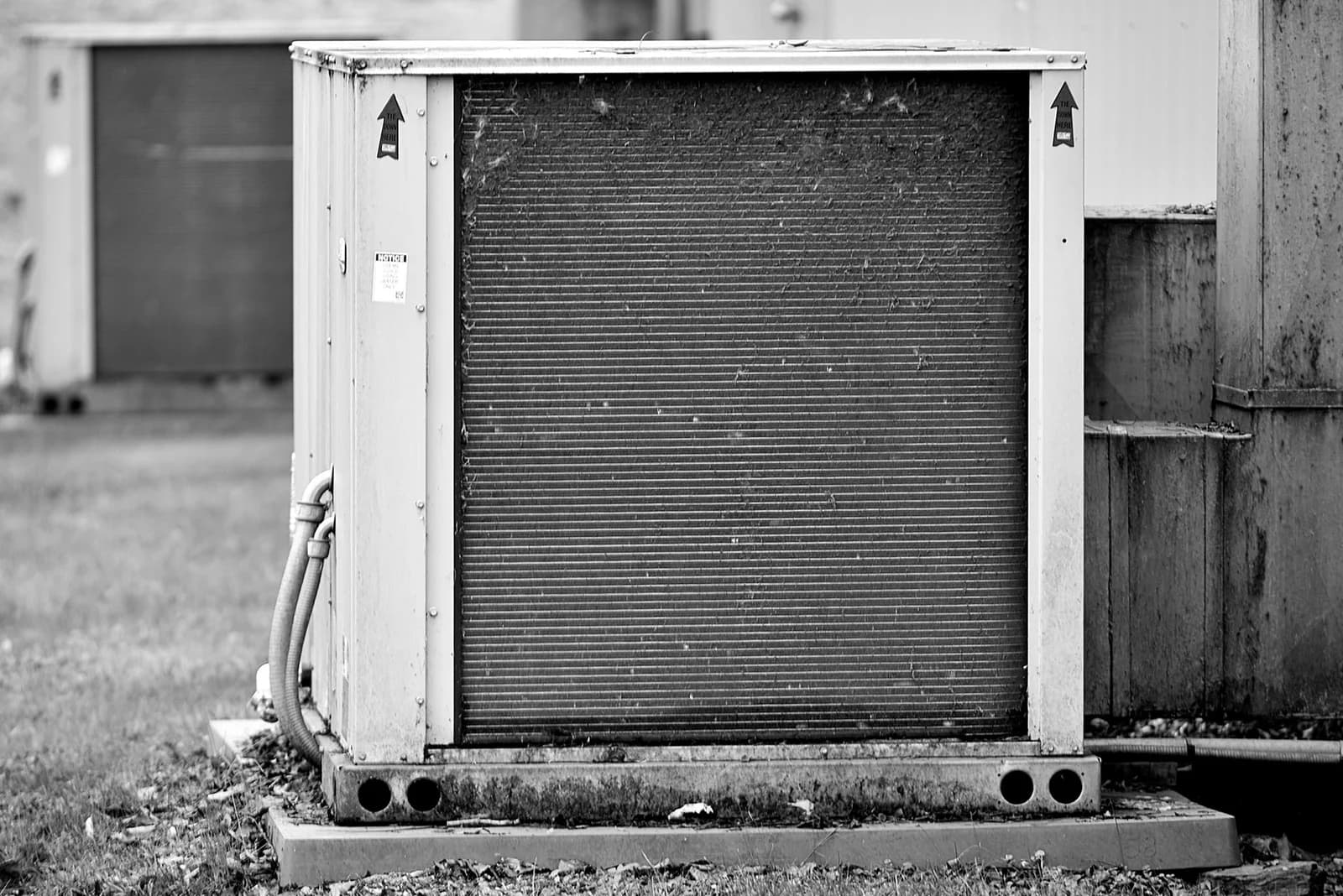
Coastal salt air accelerates every one of these failure paths. Salt-laden moisture corrodes motor housings and fan blades noticeably faster in Santa Monica and Venice than it does a few miles inland, which is part of why we push annual coil inspections harder for beachfront properties than for homes in West LA or Brentwood. A bearing replacement caught early is a maintenance-tier expense. A seized fan motor that takes the compressor down with it is not.
Sign #4: A Rising Electric Bill With No Obvious Cause
An inefficient system does not announce itself with a warning light. It just runs longer to deliver the same cooling, and that extra run time shows up first on the utility bill, often weeks before any obvious symptom appears. Dirty coils, low refrigerant, a struggling capacitor, and duct leaks dumping conditioned air into an attic are the usual suspects, and homes in West LA and Brentwood, with their longer duct runs, tend to lose more to leaks than homes with tighter, more compact ductwork.
The financial trap here is that a rising bill feels abstract, an extra charge that is easy to write off as a hot month, rather than a signal tied to a specific mechanical cause. But every month that inefficiency runs unaddressed is a month of money spent on wasted electricity that a repair, often a modest one, would have stopped. Chasing down the cause is frequently cheaper than the several months of inflated bills that preceded the diagnosis.
Sign #5: Water Pooling Near the Indoor Unit
A clogged condensate line backs up moisture that the system would normally drain away, and once the pan overflows or a safety switch trips, you are looking at either a shut-down system or, worse, water damage to a ceiling below an attic-mounted air handler. Santa Monica's humid marine layer months make this more common here than in drier climates, since the system is pulling more moisture out of the air during exactly the stretch when condensate lines are most likely to clog with algae and debris.
This is the sign where the cost gap is widest. Clearing a condensate line is a routine, inexpensive service call. Repairing ceiling drywall, insulation, and potentially mold remediation after a slow leak has been dripping unnoticed for weeks is an entirely different order of expense, and it is damage to the house itself, not just the HVAC system.
The Pattern Behind All Five
Notice what these five signs have in common: each one identifies a point where the system is still functioning, just not functioning correctly, and functioning incorrectly is exactly the window where a repair is still cheap. Wait past that window and the damage compounds, because a compressor straining against low charge, a motor grinding on a failing bearing, or a coil losing efficiency to salt buildup all get worse under continued operation, not better.
Why Annual Service Changes the Math Entirely
A system that has not had a professional look in over a year is a system where these five signs have the most room to develop unnoticed, precisely because Santa Monica's mild climate gives fewer cooling days for a problem to surface on its own. An annual visit catches a slightly low refrigerant charge, a weakening capacitor, or a dirty coil while each one is still a maintenance item rather than a repair bill, and definitely before it becomes the kind of failure that shows up during the one heat wave each summer when demand across the area spikes and appointment slots get scarce.
What a Service Call Actually Verifies
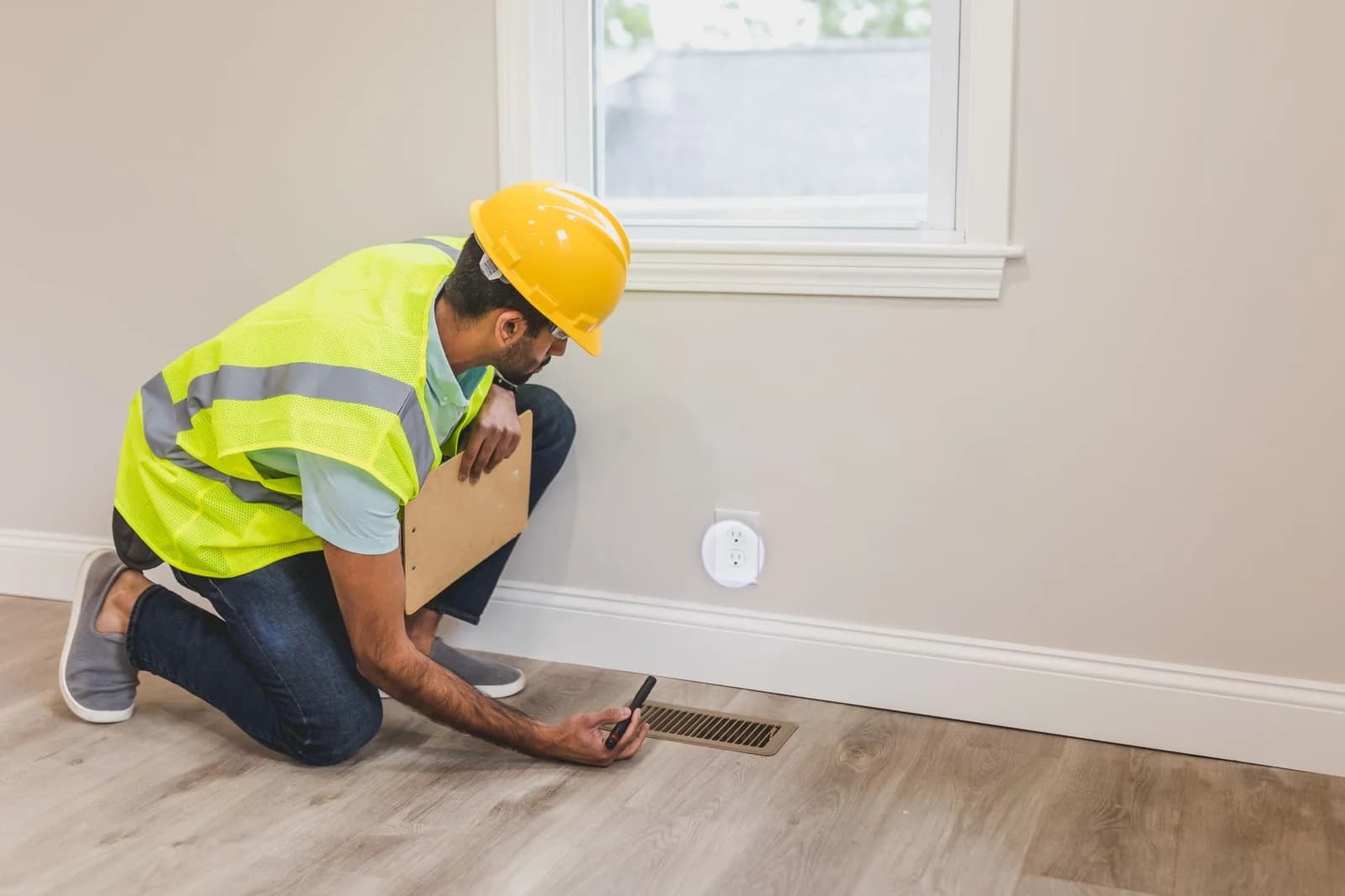
When you call about one of these five signs, a technician checks refrigerant pressure and the temperature split between supply and return air, inspects capacitors and contactors, cleans the coil if it needs it, confirms the condensate line drains freely, and tests the thermostat's communication with the system. You get a plain explanation of what was found before any repair work starts, which is the only way to know whether you are looking at a maintenance item or something bigger.
If any of these five signs sound familiar, or if it has simply been a while since anyone looked at your system, call Santa Monica AirCon Repair at (877) 409-5247. We cover Santa Monica, Venice, Pacific Palisades, West LA, and Brentwood, and same-day appointments are available once a system has already stopped cooling.
Need Professional HVAC Service?
Our HVAC-experienced technicians are ready to help with all your AC and heating needs. Contact Santa Monica AirCon Repair today for expert service throughout the the coastal Westside service area.