Corrosion Is an Efficiency Problem Before It Is a Replacement Problem
Homeowners tend to think about coastal corrosion as a cosmetic issue, or at worst a question of how many more years a unit has left before it needs replacing. That framing skips the part that actually shows up on a monthly bill. Corrosion attacks the exact surfaces a condenser depends on to move heat efficiently, and a condenser that cannot transfer heat efficiently has to run longer to produce the same amount of cooling. Longer run time is not a footnote, it is the direct cost of letting salt air do its work unchecked.
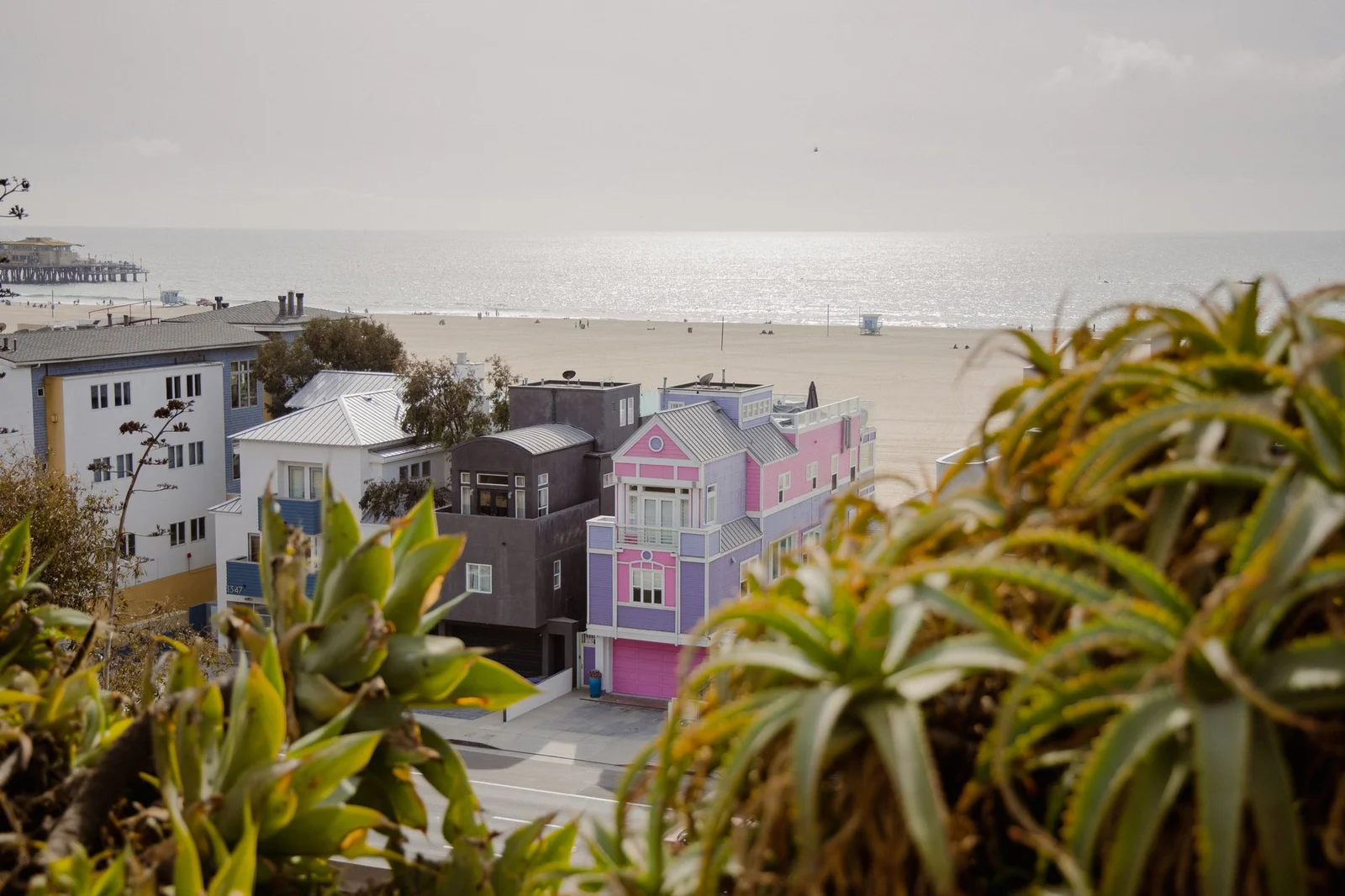
If you live in Santa Monica or Venice and have compared notes with a friend a few miles inland, you have probably noticed their outdoor unit seems to age slower than yours. That is not a coincidence and it is not your equipment being unlucky. It is a specific, measurable process, and understanding it is what makes the difference between paying for protection now or paying for both higher bills and early replacement later.
What Salt Air Physically Does to a Condenser
The Coil Loses Its Ability to Transfer Heat
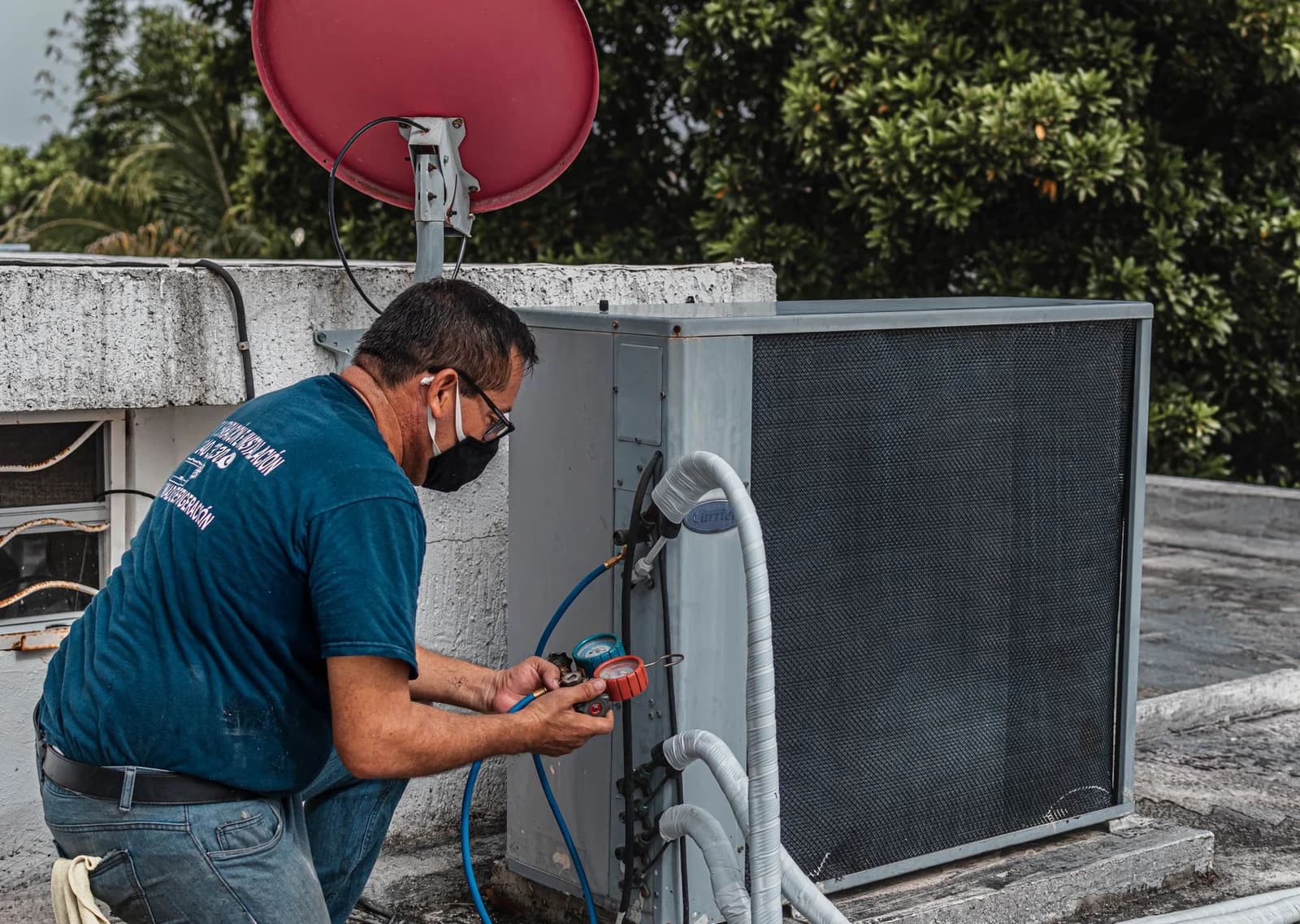
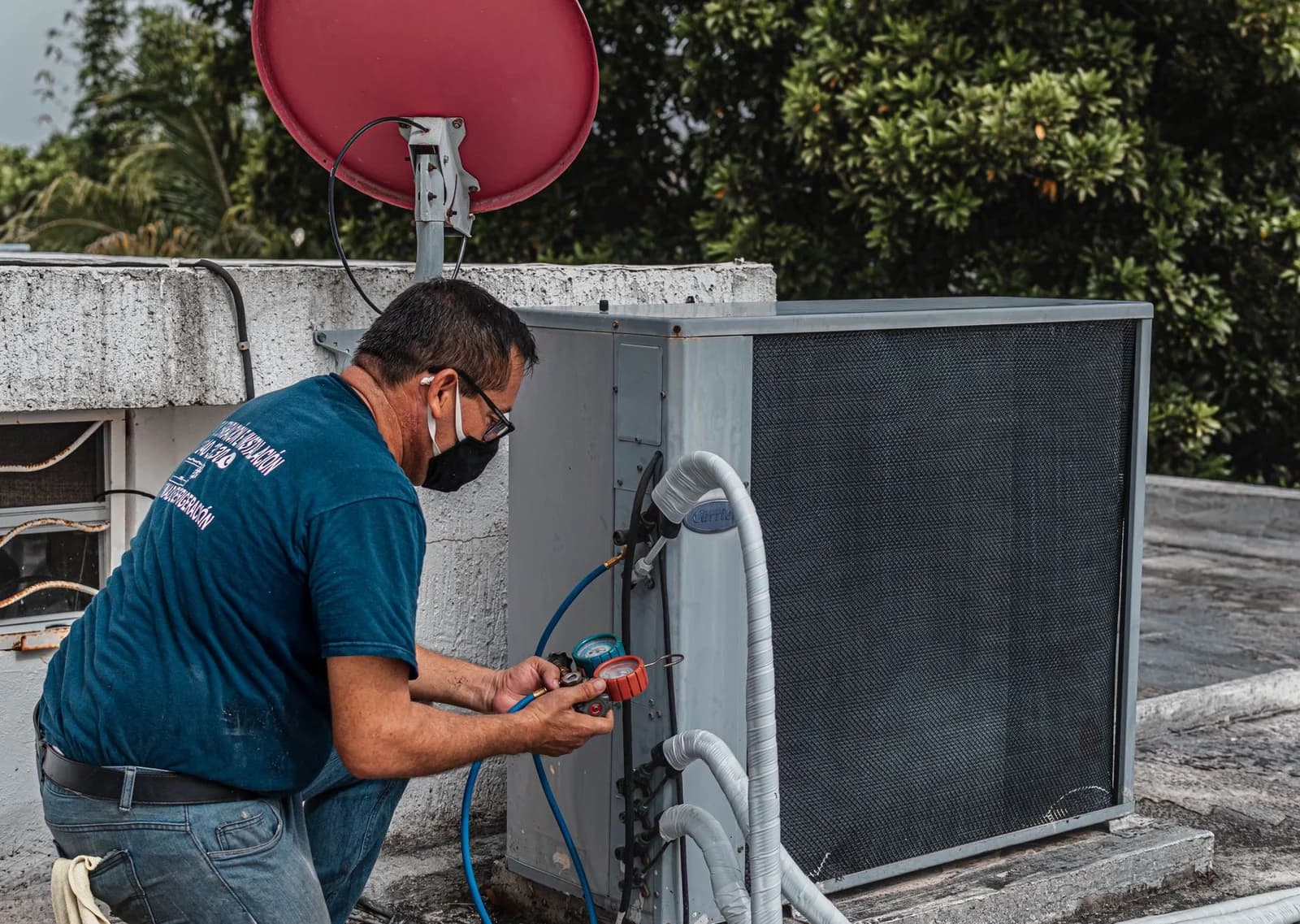
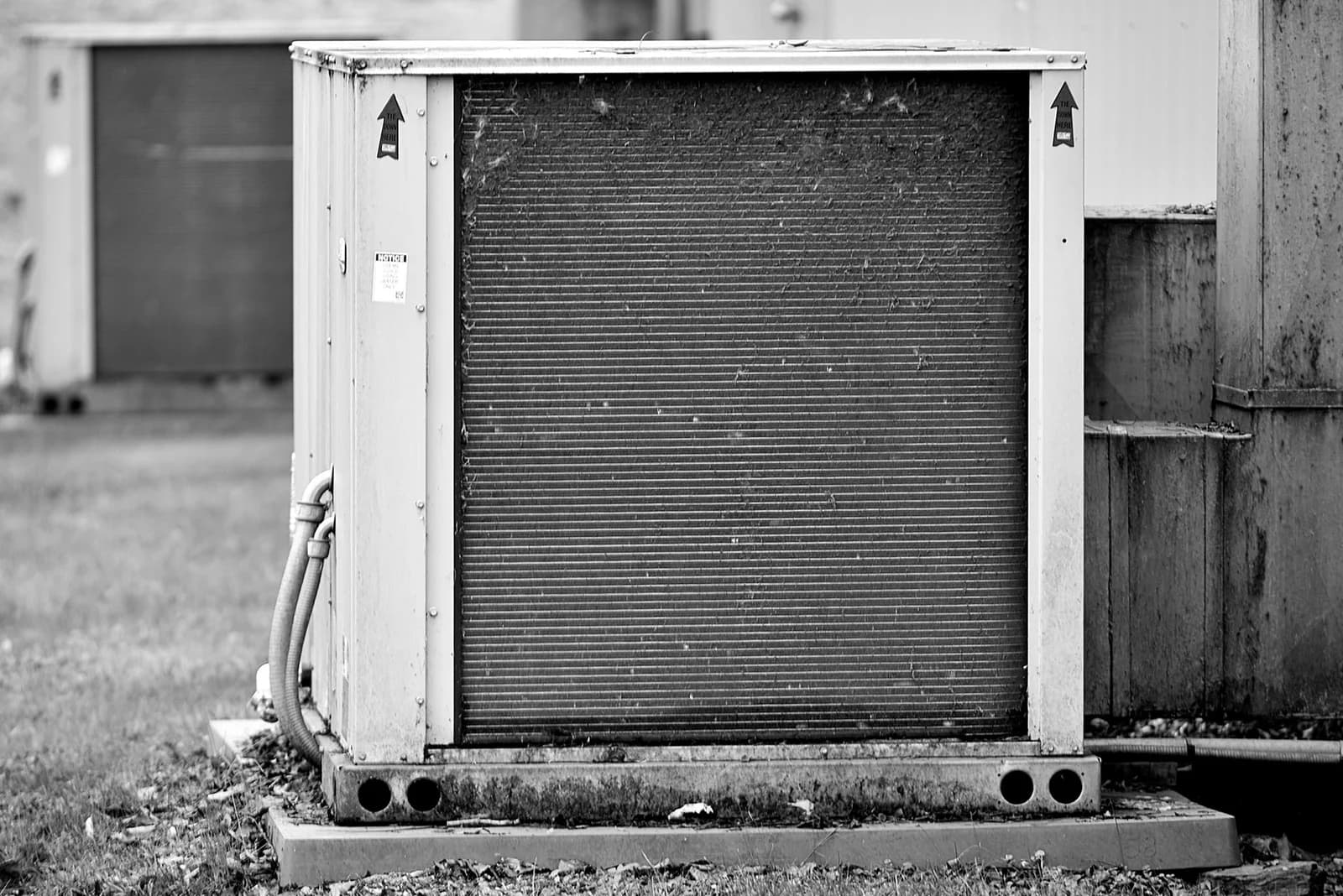
An outdoor condenser coil pairs aluminum fins with copper tubing, and both metals are vulnerable to chloride exposure. Salt particles carried in onshore wind settle on the coil surface, and combined with humidity from the marine layer, they create a corrosive film that pits and thins the aluminum fins over time. Thinner, pitted fins move less heat per pass of air across them, which means the compressor has to run longer to hit the same cooling target it used to reach faster.
Electrical Components Degrade Quietly
Contactors, capacitors, and disconnect boxes near the outdoor unit sit in the same salt-laden air the coil does. A pitted contact or corroded terminal does not fail outright most of the time, it just adds resistance, and resistance in an electrical connection shows up as wasted energy and heat rather than useful work. We regularly find this kind of quiet degradation on units near the Venice boardwalk and in Ocean Park that would look close to new if the same equipment had spent its life several miles inland.
The Cabinet Itself Starts Working Against the System
Rust at cabinet seams and drainage holes seems purely cosmetic until it starts trapping moisture against internal components or interfering with airflow around the unit. A unit fighting its own housing for airflow is, once again, a unit running longer than it should have to.

Reading the Signs as a Cost Signal, Not Just a Wear Signal
White, chalky residue on the fins, reduced airflow even after cleaning, rust streaks at the cabinet base, and a system that simply runs longer than it used to for the same result are the visible markers. Every one of them should be read as an energy cost signal first. A unit that now runs forty extra minutes a day to hit the same temperature is not just showing its age, it is spending real electricity on inefficiency that a healthier coil would not need.
What Protection Actually Costs Against What It Saves
Factory Coil Coatings
A phenolic or epoxy coating rated for marine environments is a modest upfront addition on new equipment. It does not stop corrosion permanently, but it slows the rate significantly, which stretches out the years the coil operates near its rated efficiency instead of sliding into the extra-run-time zone early.
Where the Unit Sits
Placement changes exposure more than most homeowners expect. A condenser facing directly into onshore wind corrodes faster than one sheltered by a wall, fence, or landscaping. This costs nothing beyond planning it correctly at install time, and it is one of the few protective measures that has no ongoing expense attached at all.
Routine Coil Rinsing
A simple fresh water rinse every month or two during summer, power off first, gentle stream rather than a pressure washer, removes salt before it bonds to the metal. This is the cheapest line item on this entire list and arguably the one with the best return, since it directly slows the corrosion that drives the efficiency loss described above.
Elevated Pads and Breathable Coverage
Keeping the unit off the ground reduces splash-back and salt spray reaching the cabinet base, which matters most on lower-lying Venice lots. A vented windscreen on the exposed side does something similar without trapping moisture the way a solid cover would, since trapped moisture under a non-breathable cover causes more harm than open air exposure does.
Two Cleanings a Year, Not One
For homes within roughly a mile of the beach in Santa Monica or Venice, a single annual cleaning is not enough to keep pace with the corrosion rate. We generally recommend a spring cleaning before cooling season ramps up and a second cleaning in late summer, when salt buildup peaks alongside the highest run time of the year. Homes further inland in West LA or Brentwood can usually get by on one cleaning unless the unit sits in an unusually exposed spot. The added visit costs less than the extra electricity a neglected coil burns through over the same stretch.
When the Math Tips Toward Replacement Instead
Surface-level corrosion often responds well to a coil rinse and an electrical service visit, restoring most of the lost efficiency. Once pitting has gone deep into the coil or cabinet, though, cleaning stops helping much, and the unit is permanently operating at reduced efficiency for whatever life it has left. At that point, the honest comparison is not cleaning cost versus doing nothing, it is continuing to pay the efficiency penalty on an aging unit versus replacing it with coastal-rated equipment that will not need the same corrosion workaround for years.
The Resale Angle
A condenser that shows visible corrosion ahead of its age is exactly the kind of thing a home inspector flags during a sale, and it tends to become a point of negotiation. Staying ahead of coastal maintenance protects your monthly bill today and the number a buyer's inspector writes down later, which is a rare case where the same habit pays twice.
Comparing Two Identical Units, Two Different Locations
Our service routes cover everything from beach-block properties in Venice up through the hills of Pacific Palisades and out to the bigger lots in Brentwood, and the efficiency gap that opens up between a coastal unit and an inland one on otherwise identical install dates tends to surprise homeowners the first time we put numbers to it. None of this is a case against living near the water. It just means planning around the maintenance pace the coast actually demands rather than the generic interval printed in a manufacturer's manual written for an average inland climate.
Putting a Number to the Idle Cost
Homeowners rarely think of an aging condenser as something quietly billing them every month, but that is a fair way to look at it once you understand the mechanism. Every extra minute the compressor runs to make up for lost heat transfer at the coil is electricity spent on nothing but overcoming corrosion, not on cooling the house any further than a healthy coil would have already achieved. Over a full cooling season, that daily overrun stacks into a real, if quiet, add-on to the electric bill, one that never shows up as its own line item and so rarely gets questioned. Treating coastal maintenance as routine upkeep, the same category as changing a filter, rather than an optional extra, is the mental shift that actually keeps this cost from accumulating in the background year after year.
If your outdoor unit has never had its coil or electrical components checked for corrosion, or if it seems to be running longer than it used to without an obvious reason, call Santa Monica AirCon Repair at (877) 409-5247. We know which streets in Santa Monica, Venice, and Pacific Palisades sit close enough to the water to need the extra attention, and which ones in West LA and Brentwood can run on a lighter schedule.
Need Professional HVAC Service?
Our HVAC-experienced technicians are ready to help with all your AC and heating needs. Contact Santa Monica AirCon Repair today for expert service throughout the the coastal Westside service area.