
Mild Winters Do Not Mean Cheap Winters
Winter lows in Santa Monica typically sit in the upper 40s, mild enough that plenty of homeowners go weeks without touching the thermostat at all. That light usage pattern creates a strange blind spot: a heating system that only runs a handful of nights a month rarely gets the attention a system running daily through a harsher winter would get, and problems that would announce themselves loudly elsewhere just sit quietly here, wasting a little energy every time the system does turn on.
The waste is real even if the discomfort is not. A system running inefficiently on a mild winter night still burns more gas or electricity than it should to hit the same temperature, and that gap adds up across a season even when no single night feels dramatic. Below is where that waste actually comes from and what closes it, whether your equipment is a decades-old furnace tucked into a Montana Avenue bungalow or a recent heat pump serving a condo in West LA.
The Filter Is the Cheapest Fix With the Biggest Payoff
A dirty filter restricts airflow across the heat exchanger or heat pump coil, and restricted airflow means the system has to run longer to push the same amount of warm air through the house. In a marine climate, filters also collect more damp dust and salt residue than they would inland, so a quarterly swap that might be fine elsewhere is not quite frequent enough here. Checking monthly during heating season costs nothing but a few minutes, and it is the single most cost-effective habit on this entire list relative to how little it costs.
Where Heat Actually Escapes Before It Reaches a Vent
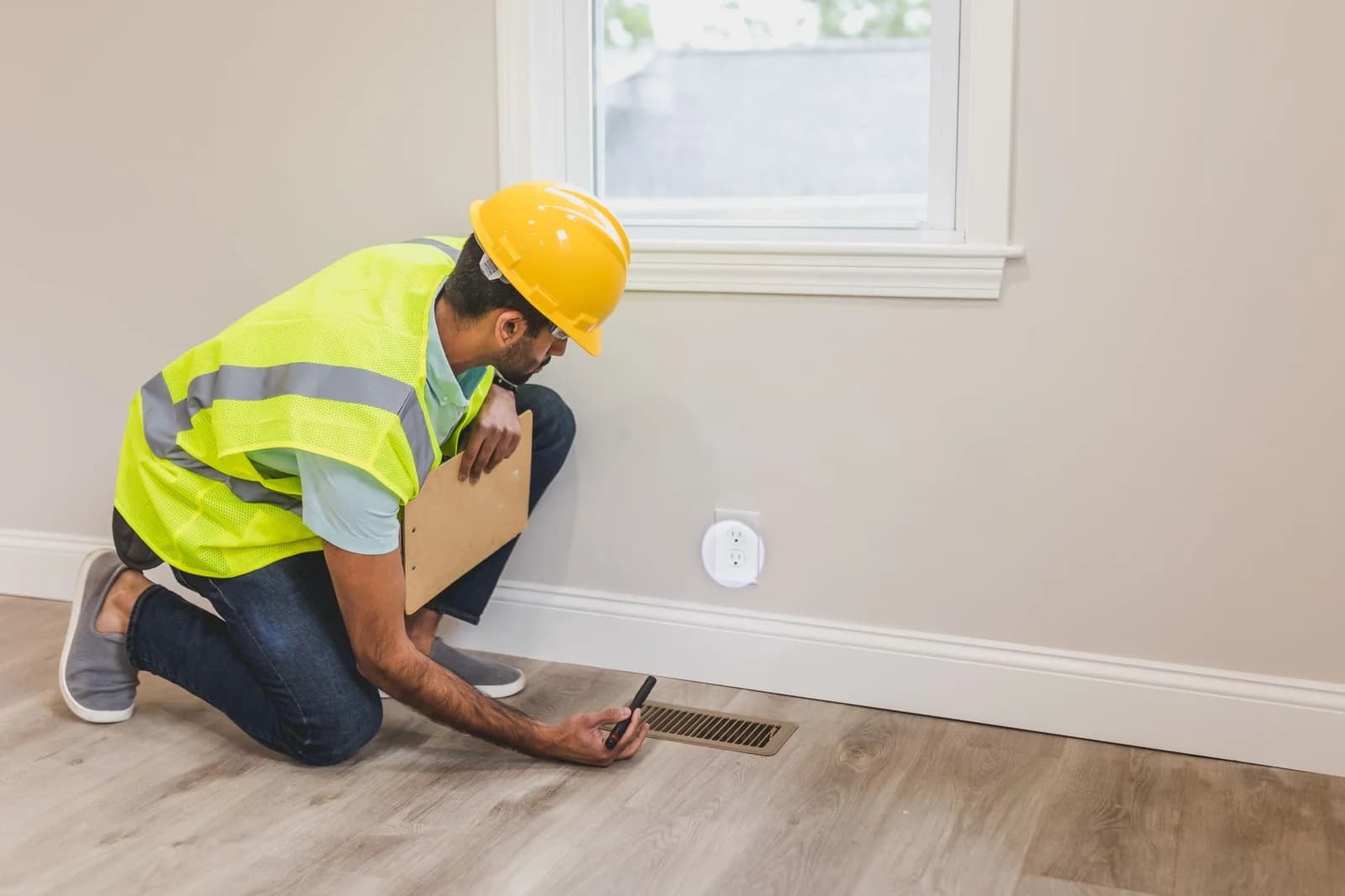
A large portion of the heat loss we turn up in older Santa Monica homes happens inside the ductwork itself, well before any warmed air makes it to a room register. A run that passes through an uninsulated attic or crawl space sheds heat the entire distance, and wherever a seam has opened up along that run, warm air simply exits into a space nobody intended to condition in the first place.
Signs duct loss is costing you money:
- - Rooms far from the air handler stay noticeably cooler than rooms close to it
- The attic access hatch feels warm when the heat is running, meaning warm air is escaping upward instead of downward into the house
- Gas or electric bills run higher than Santa Monica's mild climate would reasonably explain
Sealing accessible duct joints and adding insulation where ducts cross unconditioned attic space is one of the higher-return efficiency fixes available, and it typically costs less than homeowners assume relative to what it saves across a full heating season.
The Heat Exchanger and Burner Matter More Than They Get Credit For
For gas furnaces, a cracked heat exchanger is a safety concern first, but it is also an efficiency one, since it lets combustion gases and heat escape where they should be captured and distributed. Clean, correctly adjusted burners ignite more evenly and produce more consistent heat per unit of gas burned than dirty ones do. An annual inspection catches both issues before they turn into either a safety call or a slow leak in your gas bill.
Heat Pump Coils Carry the Same Logic as AC Coils
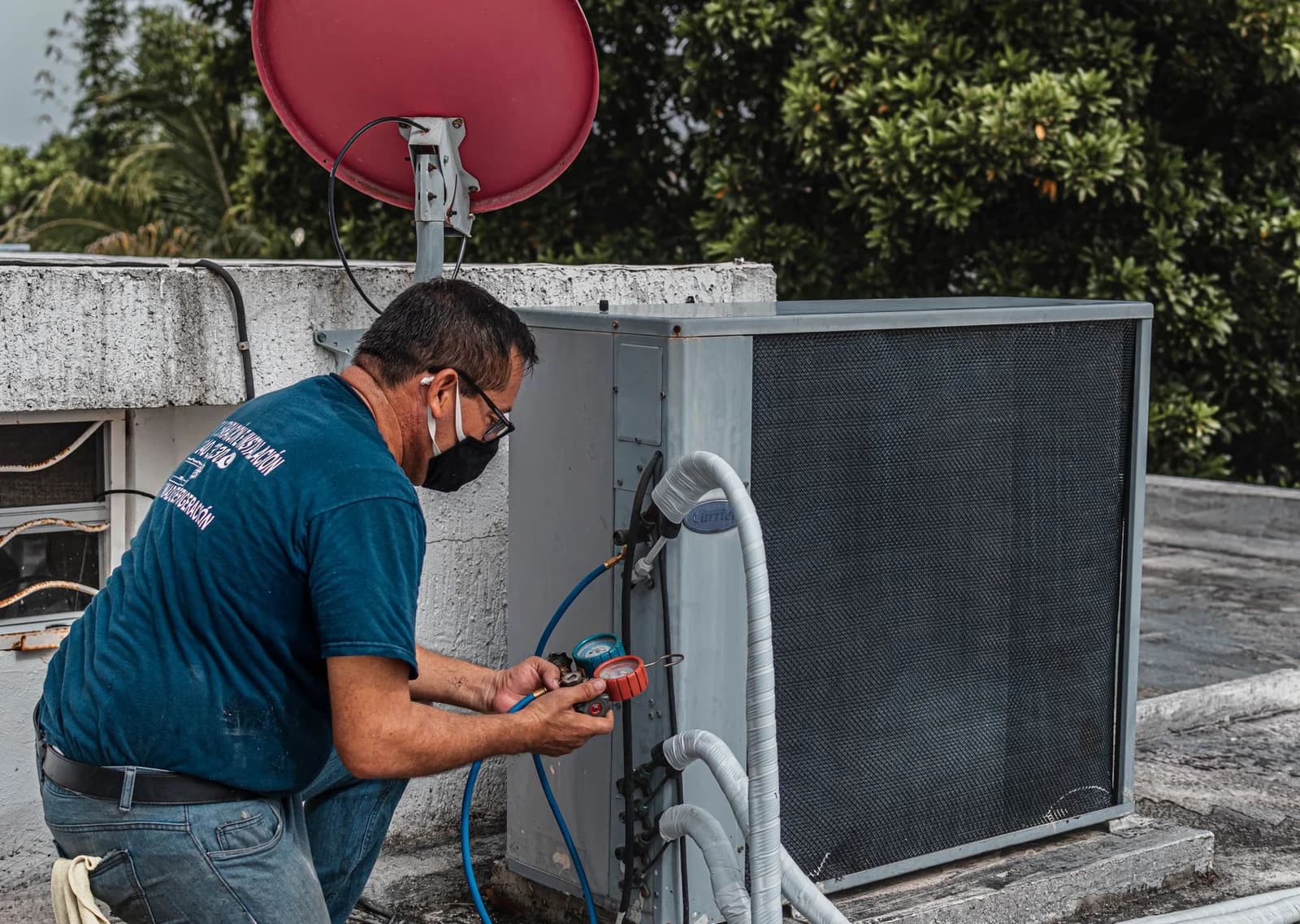
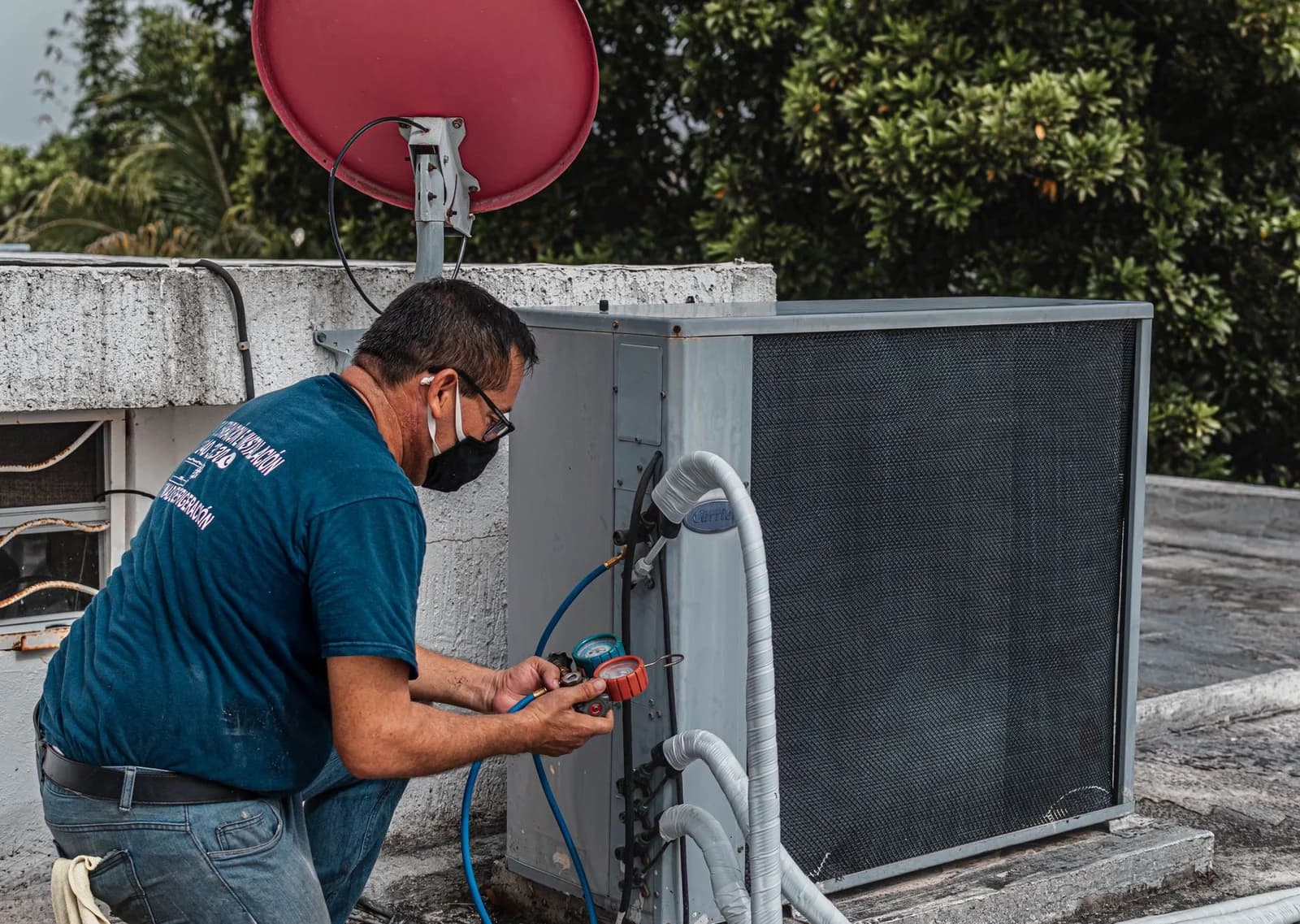
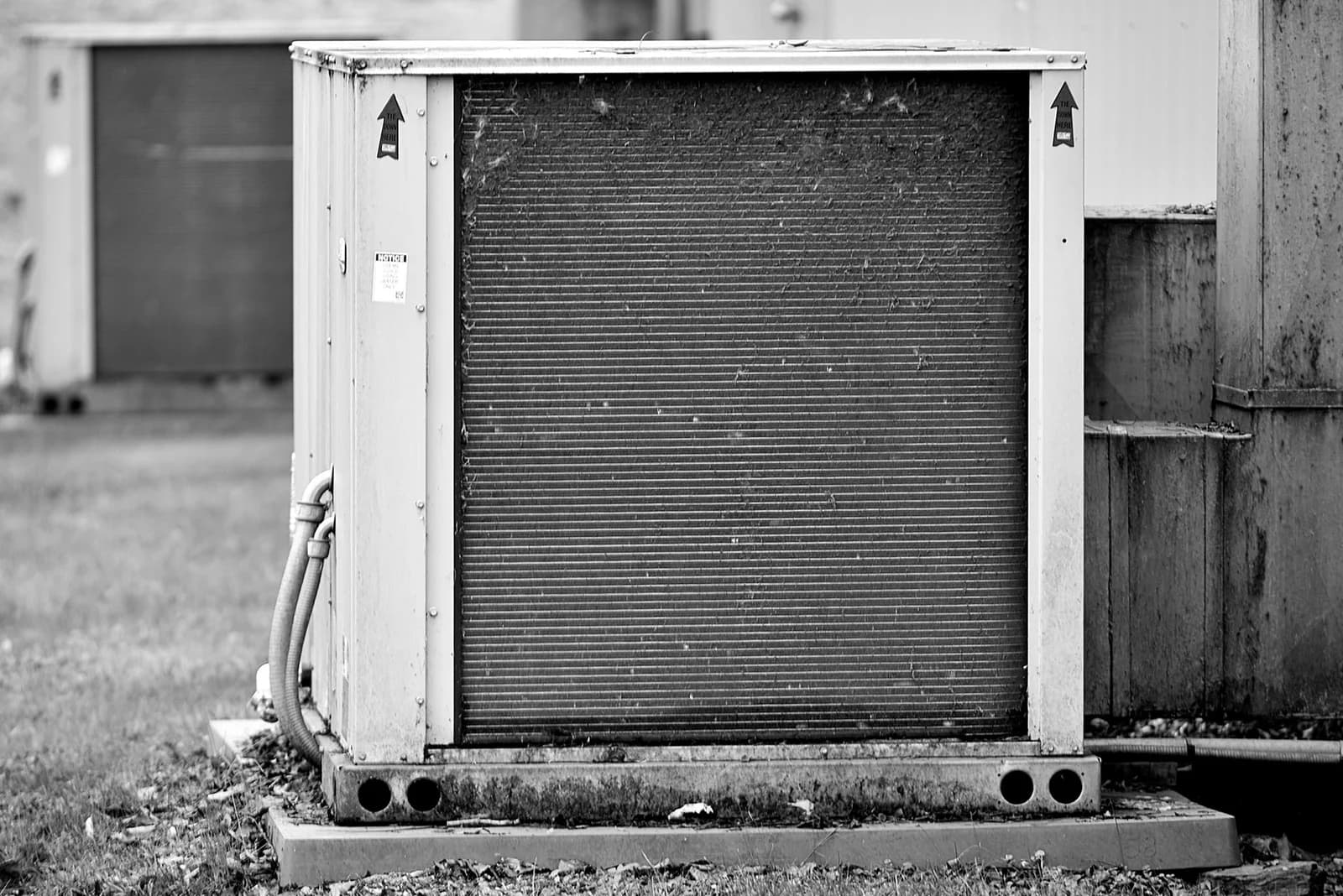
A heat pump pulls warmth from outdoor air even when that air feels cold to us, and a dirty or corroded outdoor coil, more common here than inland given coastal exposure, reduces how efficiently that transfer happens. The same coil that would waste cooling energy in July wastes heating energy in January, since it is the same physical component doing the opposite job.
Thermostat Habits That Quietly Waste Money
Scheduling Beats Manual Adjustment
Programming a lower temperature overnight and while the home is empty, then returning to a comfortable setting before you need it, saves more energy over a season than manually nudging the thermostat throughout the day. Most modern thermostats handle this automatically once scheduled correctly.
Cranking the Temperature Does Not Heat Faster
Setting the thermostat well above your actual target does not get the house warm any sooner. It just means the system keeps running past the point you wanted, burning fuel or electricity on overshoot that buys you nothing.
Wiring Determines Whether a Smart Thermostat Even Works Right
A lot of Craftsman and Spanish Colonial houses that predate central heating as a default feature still carry the old two-conductor thermostat cable behind the wall plate, and that older wiring skips the common wire a modern smart thermostat wants for continuous power. Some units get around the gap by pulling from battery power instead, but that shortcut trades away reliability, and it undercuts the very savings a smart thermostat is supposed to earn you. Pulling a dedicated fifth conductor or fitting an add-a-wire adapter during the same visit closes that gap for good.
Zoning as a Cost Tool, Not Just a Comfort Tool
Larger properties in Brentwood and Pacific Palisades often have rooms in constant use, like a kitchen, next to rooms used only occasionally, like a guest bedroom. Heating the entire house to one uniform temperature around the clock wastes energy on rooms nobody is in. A zoned system, or even manual dampers in the ductwork, redirects that spend toward the rooms actually being used.
The Building Envelope Is Part of the Heating Bill Too
Single-pane windows, tired weatherstripping around doors, and gaps around an attic access panel all give conditioned air a way out and let outside air work its way in, and that trade happens more readily in Santa Monica and Venice than it does inland, since a coastal address gets a steadier push of wind off the water testing every seam in the building all day. Sealing those gaps and weatherstripping the doors costs relatively little against what it saves over a season, and the same fixes that help a winter heating bill also lower summer cooling costs.
Heat Pumps Versus Furnaces on the Efficiency Curve
A heat pump's efficiency dips somewhat on the coldest nights compared to milder ones, which matters in harsher climates but rarely matters here, since Santa Monica so rarely sees genuinely cold nights. That is part of why heat pumps have become a common replacement choice when an old wall furnace finally needs replacing: the local climate keeps them operating near their efficiency sweet spot most of the season. Gas furnaces deliver consistent output regardless of outdoor temperature, but only when burners are clean and the heat exchanger is sound.
An Annual Checklist Worth Following
Before heating season each year, have a technician verify filter condition and airflow, heat exchanger integrity on gas furnaces, burner cleanliness, outdoor coil condition on heat pumps, thermostat calibration and wiring, visible duct leaks or disconnections, and carbon monoxide detector function on any gas-fired system.
Two Habits That Waste Money Without Feeling Like a Mistake
Shutting vents in rooms nobody is using feels like an obvious way to save money, but doing so builds up pressure inside the ducts, and that pressure often finds its way out through an existing leak rather than staying put and easing the load, which can leave the system working harder than if every vent had simply stayed open. There is a second timing trap too: letting the first genuinely cold night of the year be the system's first real test means whatever repair it needs gets discovered at the worst possible moment. Testing it in late summer or early fall, ahead of actual demand, buys time to fix what turns up without racing a cold snap on the calendar.
If your system requires frequent repairs, if bills climb every winter despite the mild local climate, or if parts of your home never quite reach a comfortable temperature, call Santa Monica AirCon Repair at (877) 409-5247 to schedule a tune-up before the next cold stretch. We work across Santa Monica, Venice, West LA, Pacific Palisades, and Brentwood, and we can walk you through whether a repair or a full efficiency upgrade makes more sense for your specific home.
Need Professional HVAC Service?
Our HVAC-experienced technicians are ready to help with all your AC and heating needs. Contact Santa Monica AirCon Repair today for expert service throughout the the coastal Westside service area.